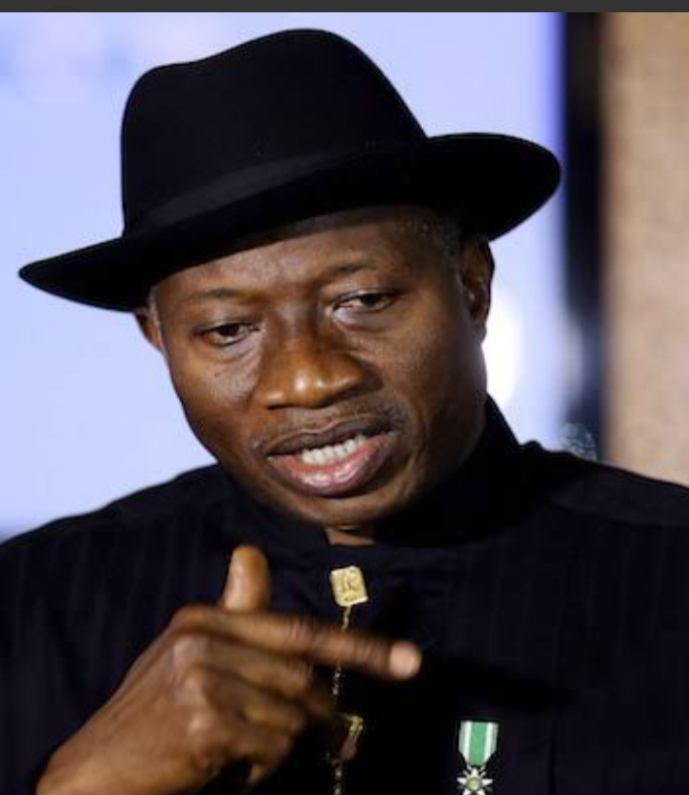

Jonathan made the remarks on Wednesday evening in Abuja during a requiem mass in honour of the late former Minister of Agriculture and Rural Development, Chief Audu Ogbeh.
According to a statement by his spokesperson, Ikechukwu Eze, the former president described Ogbeh as a man of humility and forgiveness who never held on to resentment.
“Chief Ogbeh was a man who did not seek revenge. He believed the past should be left behind and that we must keep moving forward. In that sense, he was just like me. If you hurt me today, I will forgive you. I don’t carry grudges against anybody. I believe the past is past, and I move on,” Jonathan said.
Reflecting on their long friendship, Jonathan recalled that their relationship began during his tenure as deputy governor of Bayelsa State, when Ogbeh served as the National Chairman of the Peoples Democratic
Party (PDP).“At that time, deputy governors were often seen as spare tyres, but he treated me as a close friend. Whenever I visited Abuja, I would go to see him, and we always had meaningful conversations. He was kind and generous,” Jonathan recounted.
He further noted that their cordial bond endured even after he became president:
“Whenever he wanted to see me, he would come, and sometimes we would spend up to an hour discussing national issues.”
Jonathan urged Nigerian politicians to emulate Ogbeh’s virtues of humility, forgiveness, and bridge-building, stressing that such values are essential for healing divisions and ensuring sustainable development.
Chief Ogbeh, who died on 9 August 2025 in Abuja, was a towering figure in Nigerian politics. He served as PDP National Chairman between 2001 and 2005 and later as Minister of Agriculture under the administration of the late President Muhammadu Buhari, where he pioneered agricultural reforms and food security initiatives.
Jonathan’s remarks reflect his long-standing belief in peace and reconciliation, a philosophy that was most notably demonstrated when he conceded defeat in the 2015 presidential election—an act widely credited with averting a national crisis.