The Forbes calculator, which sources live foreign exchange data through the Open Exchange Rates API and updates every five minutes, reflects market dynamics such as demand, supply, and broader economic conditions affecting currency performance across the continent.
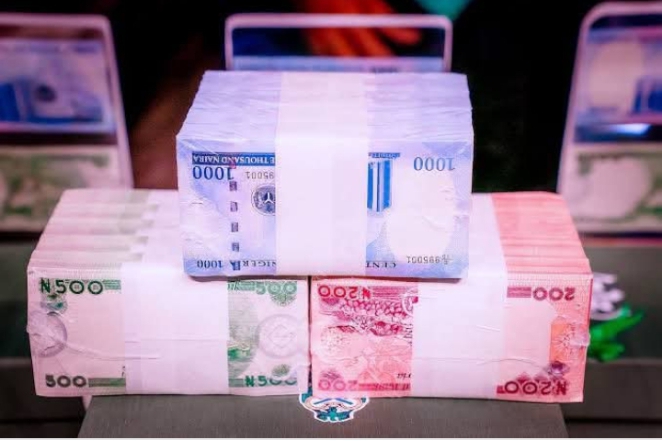
According to the latest ranking, the São Tomé & Príncipe Dobra emerged as the weakest currency in Africa, trading at 22,282 per U.S. dollar. It is followed closely by the Sierra Leonean Leone at 20,970, the Guinean Franc at 8,680, the Ugandan Shilling at 3,503, and the Burundian Franc at 2,968. Other currencies ranked weaker than the Naira include the Congolese Franc at 2,811, the Tanzanian Shilling at 2,465, and the Malawian Kwacha at 1,737. The Nigerian Naira currently trades at ₦1,490per dollar, positioning it just ahead of the Rwandan Franc at 1,448.
In contrast, the strongest currencies on the continent remain the Tunisian Dinar at 2.90 per dollar, the Libyan Dinar at 5.40, the Moroccan Dirham at 9.91, the Ghanaian Cedi at 12.31, and the Botswanan Pula at 14.15.
Despite the Naira’s position in the rankings, Nigeria’s inflation outlook has shown notable improvement in 2025. Data from the National Bureau of Statistics indicates that headline inflation dropped from 24.5 percent in January to 20.12 percent in August, marking five consecutive months of decline.
This positive trend has been attributed to increased foreign exchange inflows from oil exports and remittances, improved agricultural yields, and the Central Bank of Nigeria’s decision to maintain its benchmark interest rate at 27.5 percent.
The Independent Media and Policy Initiative described the slowdown as the sharpest mid-year disinflation Nigeria has recorded in over a decade. Its chairman, Dr. Omoniyi Akinsiju, noted that inflation could fall to 17 percent by December 2025, potentially bringing further relief to households and businesses