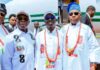



The Acting Dean, Faculty of Arts and Communication, Edo State University, Iyamho, Rev. Fr. Peter Egielewa, has blamed youth unemployment, economic exclusion, limited opportunities for social mobility, and others as factors fueling insecurity, criminality, and other vices.
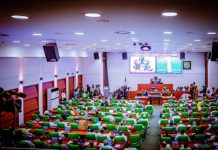
Speaking with participants at the Faculty of Arts and Communication, Edo State University, Iyamho Media Roundtable and Symposium held on Thursday, June 18, at the Aliko Dangote Auditorium of the university, Rev. Fr. Egielewa said:
“Security institutions should be strengthened through improved intelligence gathering, enhanced training, adequate funding, technological modernization, and stronger inter-agency collaboration.”
The symposium, with the theme: “Nigeria’s Political and Security Crisis: Historical Origins, Diagnosis and Way Forward,” brought together academics, researchers, policymakers, media practitioners, security experts, students, and other stakeholders to critically examine the roots, dimensions, implications, and possible solutions to Nigeria’s persistent political and security challenges.
Rev. Fr. Egielewa advocated that efforts should be intensified to reduce poverty, create employment opportunities, and empower young people through skills acquisition, entrepreneurship, and innovation-driven programmes.
He maintained that local government institutions should be revitalized and empowered to enhance grassroots security, community engagement, and conflict prevention mechanisms, adding that Nigeria should pursue constitutional and institutional reforms that reflect the aspirations of its citizens and
promote inclusiveness, equity, justice, and national cohesion.“Political actors and public office holders should refrain from exploiting ethnic, religious, and regional sentiments for political advantage. Young people should be meaningfully included in governance, policymaking, leadership, and development initiatives at all levels.
Citizens should exercise responsibility in the use of social media by verifying information before dissemination and avoiding content capable of inciting violence, hatred, or social division.”
He added that:
“Media organizations should continue to uphold the highest standards of professionalism, ethical journalism, fact-checking, and responsible reporting in the public interest.
Traditional institutions, religious bodies, universities, civil society organizations, and community leaders should collaborate more actively in promoting peace-building, dialogue, civic education, conflict resolution, and national reconciliation.”
The participants reaffirmed the commitment of the Faculty of Arts and Communication, Edo State University, to providing intellectual leadership and fostering constructive dialogue on issues of national importance. They also expressed confidence that, through visionary leadership, institutional reforms, economic empowerment, strengthened democratic institutions, and active citizen participation, Nigeria can overcome its political and security challenges and build a more peaceful, united, secure, and prosperous nation.
Among the participants were Prof. Godwin Vaaseh, Prof. Solomon Awuzie, Dr. Blessed Ngonso, Dr. Abiodun Faleye, Dr. Wilfred Olley, Dr. Charles Iyoha, and Dr. Johnkennedy Chukwu.