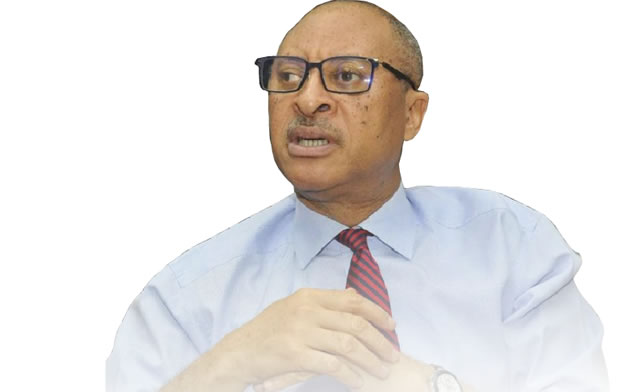
Speaking to The PUNCH on Wednesday, Utomi reacted to a new application filed at the Federal High Court in Abuja by the DSS, seeking an order to restrain him from making public statements or organising rallies related to his proposal to establish a shadow government.
The DSS, through its counsel Akinlolu Kehinde (SAN), argued that intelligence reports indicate Utomi—currently abroad—plans to return to Nigeria on June 6 to stage rallies and media campaigns under the guise of free speech, which the agency claims could incite unrest and undermine the current administration.
But Utomi dismissed the concerns, saying the scheduled rallies aren’t even set for June but for December. He accused the authorities of overreacting and attempting to stifle dissent.
“I’m getting fed up with all of this,” Utomi said. “If they want to shut my voice, I’m ready to go to Ghana or anywhere else and live peacefully. I retire next year and will leave them to it.”
He added that his intentions are rooted in promoting a better future for young Nigerians, not incitement.
“I want to inspire the next generation to be freeand make progress. But there are people who don’t want the country to grow,” he said.
Utomi’s legal team, led by senior lawyer Mike Ozekhome (SAN), has already filed a response to the original DSS suit. The case—marked FHC/ABJ/CS/937/2025—seeks a ruling that Utomi’s shadow cabinet initiative is unconstitutional and an unlawful challenge to Nigeria’s sovereign government.
In its latest motion, the DSS asked the court for an interlocutory injunction to bar Utomi and his associates from holding public gatherings, issuing media statements, or pursuing any actions linked to the shadow government idea until the case is concluded.
The agency warned that such activities could stir unrest, referencing the 2020 End SARS protests as a cautionary precedent. It claimed Utomi’s proposals risk triggering riots, property damage, or even a breakdown of law and order.
Citing Utomi’s recent remarks at a May 26 lecture in Lagos—where he defended the shadow government concept—the DSS insisted the court must act swiftly to preserve national security and judicial authority.
Utomi, however, maintains that dissent is not rebellion. “If the court rules against us, we’ll use another name,” he said, suggesting he remains committed to the core idea regardless of the outcome.
The court is expected to deliberate on the DSS application in the coming days.

PUNCH