
How the Clash Began
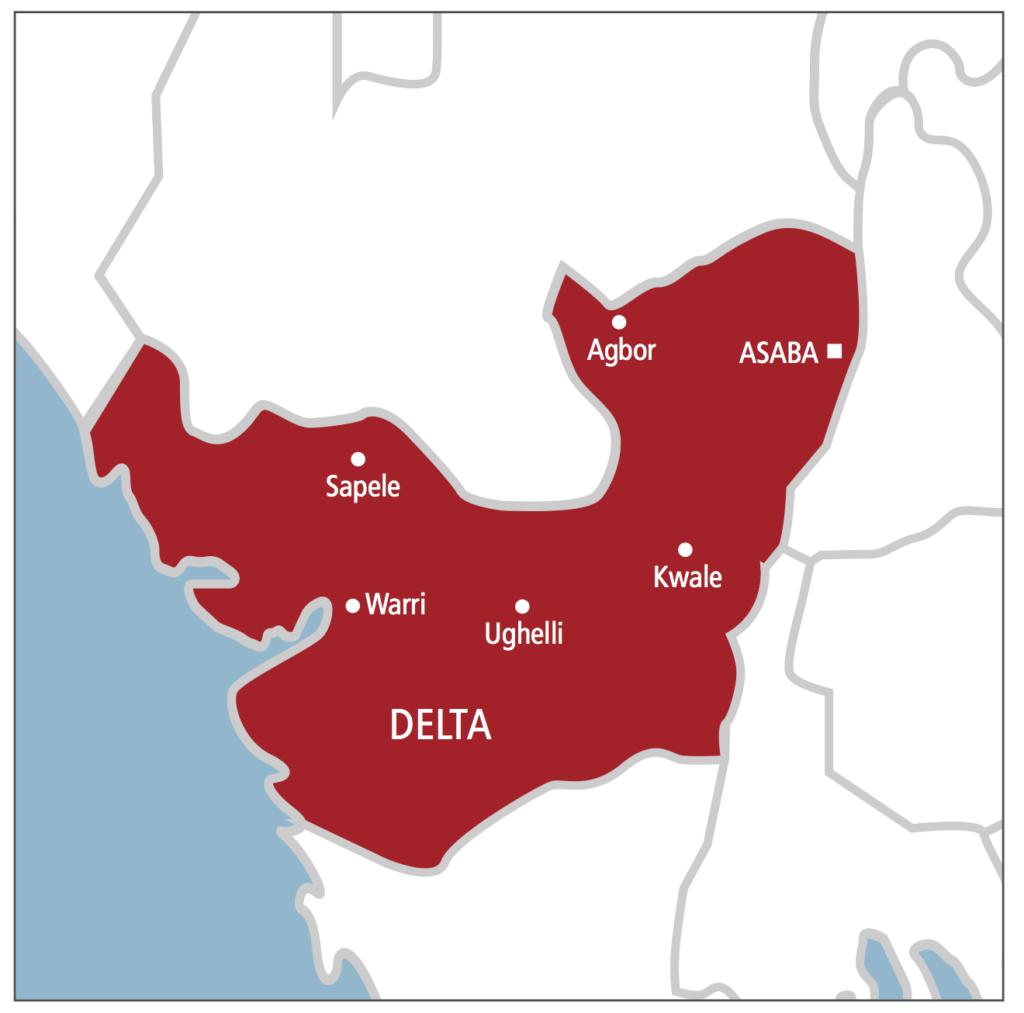
Eyewitnesses reported that the trouble began shortly after midday in Warri South Local Government Area. A group of Itsekiri youths had taken to the streets in a colourful procession to commemorate the fourth coronation anniversary of the Olu of Warri, the traditional ruler of the Itsekiri people.
The celebration, marked with singing, drumming, and dancing, was intended to showcase pride in Itsekiri heritage. However, the mood shifted dramatically when the procession passed through areas claimed by the Agbarha-Warri community.
According to locals, a group of Agbarha youths attempted to block the path of the procession, insisting that the marchers were crossing into land that did not belong to them. What was initially a heated exchange soon turned violent after the Itsekiri youths reportedly chanted provocative slogans such as “we own Warri” and “na we get Warri”.
The chants were perceived by the Agbarha group as not only a taunt but also a challenge to their historical claims of ownership of parts of Warri.
Violence Spreads Across the City
Within minutes, the altercation escalated. Witnesses described scenes of chaos as both groups armed themselves with cutlasses, sticks, wooden planks, and stones. The once-celebratory atmosphere dissolved into violent clashes that spilled over into major parts of the city.
The Ibo Market and Okere Market, two of Warri’s busiest trading hubs, were particularly affected. Traders hastily locked up their stalls as panic-stricken residents fled the area to avoid being caught in the fray.
“I was just selling vegetables when suddenly people started shouting and running,” said a trader who gave her name as Mama Rose. “I had to leave everything and run because I saw boys carrying cutlasses. It was very frightening.”
Shops and roadside businesses were abandoned in haste, and the streets quickly emptied as the clashes intensified. By mid-afternoon, entire stretches of Warri’s usually lively commercial districts had become ghostly and deserted.
Security Forces Intervene
As tension mounted, security operatives moved in to restore order. Eyewitnesses said police officers and other security agents fired warning shots into the air in an attempt to disperse the rival youths.
However, in the confusion, several people were said to have sustained bullet wounds. Eyewitness accounts differ on whether the injuries were caused directly by live bullets or by stray shots fired into the crowd. The exact number of casualties remains unclear.
Despite the injuries, no deaths have so far been officially reported. Confirming the incident, the Delta State Police Command’s Public Relations Officer, SP Bright Edafe, said:
“The incident is confirmed, but there are no casualties. Security operatives responded swiftly, and the situation is currently under control.”
A City on Edge
Although calm had begun to return by evening, fear lingered across Warri. Residents expressed
concern that the clashes could ignite a cycle of reprisals, deepening mistrust between the two communities.“I have lived in Warri all my life, and this kind of thing always brings back bad memories,” said another resident, Emmanuel, who witnessed part of the fracas. “Once there is a fight between Itsekiri and Urhobo youths, people start thinking of the old crises we had years ago. Everyone is scared that this may escalate.”
The atmosphere in the city was described as tense, with people avoiding unnecessary movements and traders choosing to remain closed for the day.
The Historical Context
The clash is the latest in a long history of disputes over land ownership and territorial claims in Warri, a city known for its ethnic diversity but also its frequent communal disagreements.
The Itsekiri, Urhobo, and Ijaw ethnic groups have, for decades, jostled for recognition and authority in Warri, often with violent consequences. At the heart of these disputes lies the question of who truly owns Warri — a city that has grown into one of Nigeria’s most important oil and trade hubs.
The Olu of Warri, whose anniversary the youths were celebrating, is the traditional monarch of the Itsekiri people. His role is both cultural and symbolic, and while many regard him as a unifying figure, his position has sometimes been seen as contentious by neighbouring communities who contest the boundaries of Itsekiri influence.
The Agbarha-Urhobo, who are predominantly settled within Warri South Local Government Area, have long maintained their own traditional institutions and claim ancestral rights over certain parts of the city. The latest clash appears to be an extension of this age-old rivalry.
Calls for Peace
In the aftermath of Saturday’s violence, community leaders and security agencies are being urged to act swiftly to prevent further escalation. Analysts warn that unless proactive measures are taken, such disputes could destabilise the fragile peace in Warri.
Delta State has witnessed several episodes of ethnic violence in the past, often fuelled by land disputes, political rivalries, and competition for economic resources.
For ordinary residents of Warri, however, the priority is simple: peace and security. As one trader put it, “We just want to do our business and go home safely. We don’t care about who owns Warri. All we want is peace.”
What Next?
While the police have confirmed that the situation is under control, the undercurrents of resentment between Itsekiri and Agbarha youths remain unresolved. Stakeholders in the region are therefore calling for dialogue and reconciliation, stressing that peace in Warri is essential not only for its residents but also for the stability of Delta State as a whole.
For now, the city remains calm but watchful. The weekend’s violence serves as yet another reminder of how quickly tensions can erupt in Warri — and how urgent the need is for lasting solutions to the question of land, identity, and ownership in this volatile oil city.