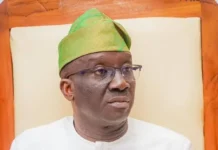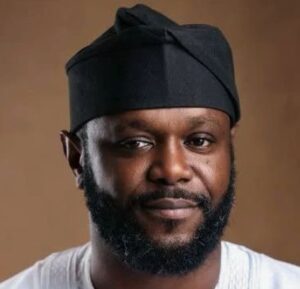
Seyi Tinubu, son of President Bola Ahmed Tinubu, has ignited widespread debate across social media after issuing a stern warning to popular social commentator Martins Vincent Otse, better known as VeryDarkMan (VDM), over what he described as persistent disrespect towards his father and the presidency.
Speaking during a recent gathering with supporters, Seyi Tinubu praised Nigerians who have continued to stand behind the current administration despite growing criticism from sections of the public. He expressed confidence in President Tinubu’s leadership, describing him as the leader Nigerians have long hoped and prayed for.
According to Seyi, criticism directed at the President has increasingly moved beyond political disagreement and crossed into personal attacks, a situation he said could no longer be ignored.
“I appreciate your belief in our President, and I assure you President Asiwaju Bola Ahmed Tinubu will not let you down. Nigeria, the hope we’ve been searching and praying for, has arrived. The President we’ve all desired is here,” he said.
He added: “The disregard shown to my dad, the President, has gone too far, and I won’t tolerate it anymore.
Although Seyi Tinubu did not specify the exact comments or videos that prompted his reaction, many observers believe the remarks were directed at VeryDarkMan’s recent criticism of the Tinubu administration.
In recent weeks, the social media activist has consistently spoken out on issues including insecurity, economic hardship, kidnappings and other challenges confronting Nigerians. His commentary has gained significant traction online, particularly among young Nigerians, attracting millions of views across digital platforms.
The warning has further intensified the growing divide between supporters of the President and followers of VeryDarkMan.
While some Nigerians applauded Seyi Tinubu for defending both his father and the office of the President, others argued that criticism of elected officials is a fundamental democratic right and should not be met with threats of litigation.
As reactions continue to pour in, the controversy has fuelled a broader conversation about free speech, political accountability and the limits of public criticism in Nigeria’s democratic space.
Whether legal action is ultimately pursued remains unclear, but many observers believe the public confrontation could further amplify the ongoing debate rather than bring it to an end.