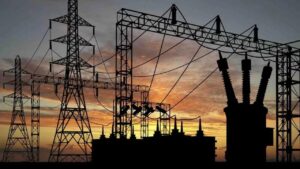
 Nigeria’s fragile electricity infrastructure suffered another major setback on Tuesday morning as the national power grid collapsed for the second time in just five days, plunging large parts of the country into darkness and disrupting economic and social activities.
The latest system failure, which occurred in the early hours of Tuesday, triggered widespread power outages across several states, leaving homes, businesses, hospitals, and public institutions without electricity. Many electricity distribution companies (DisCos) confirmed the outage, stating that the collapse resulted in a total loss of supply from the national grid.
Power sector operators said efforts were immediately activated to restore electricity, though full recovery may take several hours, depending on system stability. The Transmission Company of Nigeria (TCN), which manages the national grid, is yet to release a detailed official statement explaining the cause
This incident comes barely five days after a similar nationwide blackout, raising renewed concerns about the reliability and resilience of Nigeria’s electricity transmission network. Frequent grid collapses have remained a major challenge for Africa’s largest economy, often disrupting businesses, increasing production costs, and worsening the hardship faced by citizens.
Energy experts warn that the repeated failures point to deep-rooted structural problems, including aging infrastructure, poor maintenance, inadequate investment, and operational inefficiencies within the power sector. They stress the urgent need for comprehensive reforms and sustained funding to stabilize the grid and prevent recurring blackouts.
For millions of Nigerians, the outages mean heavier dependence on costly alternatives such as diesel and petrol-powered generators, further increasing living expenses amid rising inflation and economic pressures.
As of press time, power restoration efforts were ongoing, while consumers anxiously awaited a return to stable electricity supply.