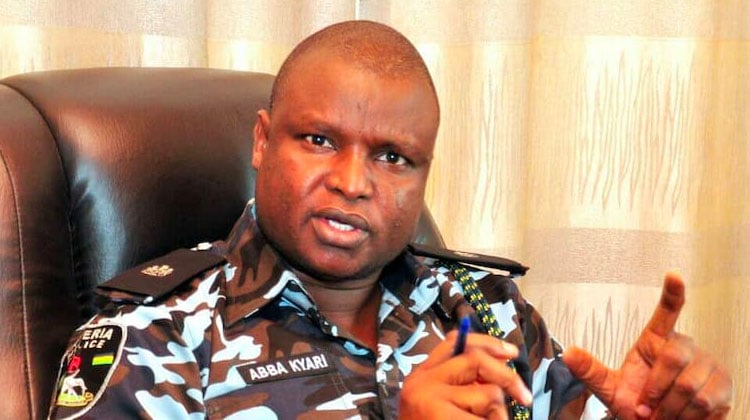

In a searing public rebuke, the Movement for Equity and National Justice (MEN) has accused the federal government of mocking the very principles of law and order. The organisation claims that while suspended Deputy Commissioner of Police Abba Kyari remains in detention facing serious drug‑trafficking and tampering charges, many convicted criminals roam free, raising urgent questions about selective justice in Nigeria.
Kyari—arrested in March 2022 under indictment by the National Drug Law Enforcement Agency (NDLEA) for allegedly tampering with seized cocaine and other offences—has spent years in detention. His bail applications have been denied repeatedly, most recently after he cited the Kuje Prison attack as a “special and exceptional circumstance” meriting his release.
MEN insists that this contrast—Kyari’s enduring incarceration despite unproven guilt (he has not been acquitted), versus the routine freedom granted to those convicted of major crimes—undermines public confidence in the justice system. “If the
law is a common standard, its application must be even,” a spokesperson for MEN declared. “Justice delayed for one, denied for many.”Legal experts say the core issue is consistency. Under Nigeria’s Constitution and the Administration of Criminal Justice Act, all accused persons are presumed innocent until proven guilty, and bail may be granted under fair conditions. But MEN argues that political influence, institutional inertia, or security concerns often sway decisions. The group points to high‑profile cases where hardened criminals are released due to delays, corruption or low‑priority enforcement.
The federal government has yet to respond in full. But the issue now is not only Kyari’s fate—it is whether Nigeria can maintain its legitimacy as a country governed by law when citizens see what they believe to be glaring discrepancies in how justice is meted out.
JusticeForAll #RuleOfLaw #AbbaKyari #SelectiveJustice #NDLEA #NigeriaLaw #Accountability #JudicialReform