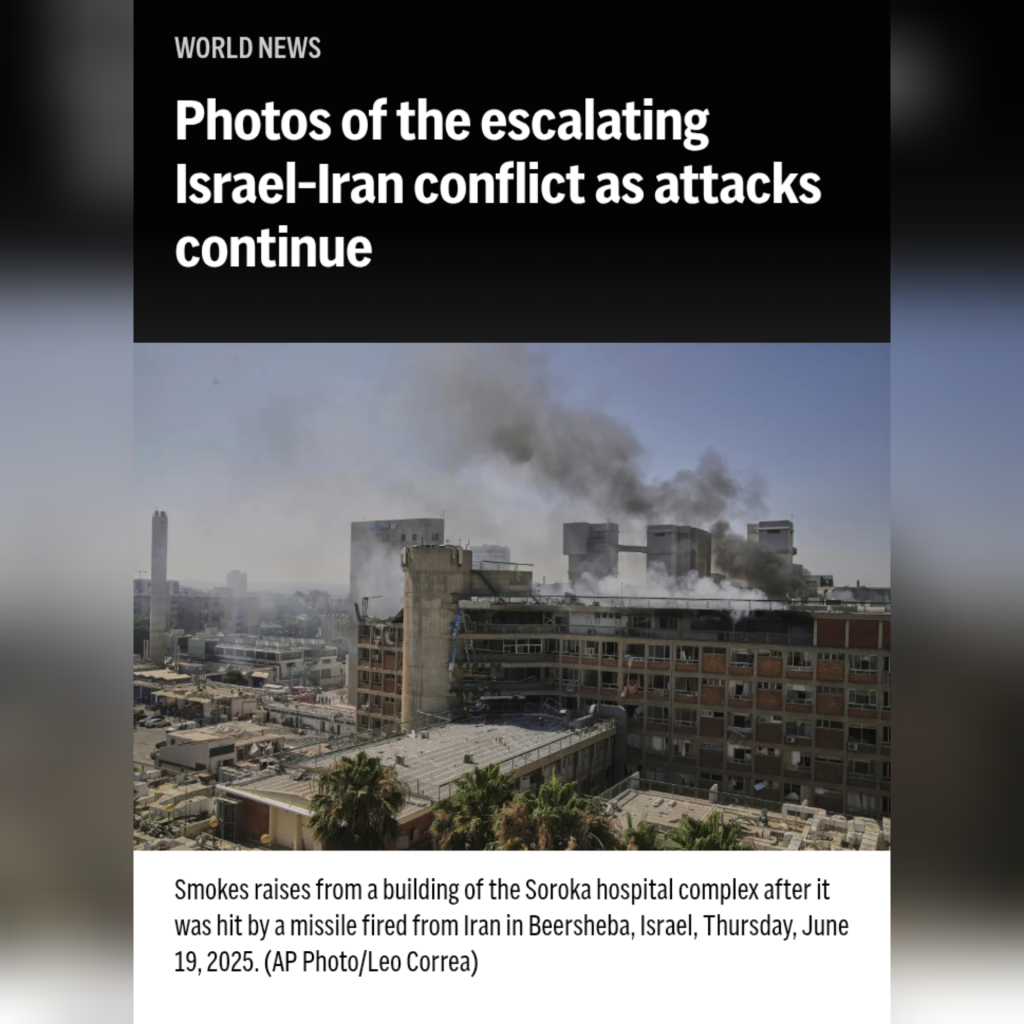
An unprecedented wave of global evacuations is unfolding after Israel launched a series of strikes on Iranian nuclear and military sites last Friday—triggering fierce retaliation from Tehran. With both countries locked in heavy missile exchanges and airspace sealed off, governments are coordinating cross-border extractions to bring their citizens home.
Europe Mobilizes Land and Air Routes
European nations have swiftly organized repatriations. The Czech Republic and Slovakia on Tuesday confirmed the evacuation of 181 citizens, who crossed into a neighboring country by foot before being flown home.
Germany is planning evacuation flights via Jordan, while Poland began welcoming returnees on Wednesday. Greece has airlifted 105 nationals and some foreign citizens through Egypt. A private Bulgarian-chartered flight carried 148 evacuees to Sofia on Tuesday.
U.S. Evacuation Operations In Progress
The U.S. embassy in Israel is preparing to airlift and ferry its citizens out of the region. Ambassador Mike Huckabee said the government is coordinating both flight and cruise ship evacuations for Americans seeking to leave Israel.
Asia’s Multi-Route Response
China has already evacuated over 1,600 nationals from Iran and hundreds more from Israel. Its foreign ministry vowed ongoing assistance.
Australia is extracting more than 2,700 citizens—about 1,500 from Iran and 1,200 from Israel. Foreign Minister Penny Wong confirmed thatmissile activity and closed airspace have forced reliance on land routes.
India reported that 110 students crossed into Armenia and flew to New Delhi. Approximately 10,000 Indians remain in Iran and 30,000 in Israel, according to the Indian foreign ministry.
Japan placed military aircraft on standby to rescue nearly 1,280 citizens in both countries. Buses are being deployed to neighboring borders for eventual airlift.
Indonesia began land-based evacuations of 380 citizens from Iran, while 11 nationals in Israel requested evacuation via Jordan.
Vietnam said it had evacuated 18 citizens from Iran, with 16 already back home. No detailed plans were announced for Israel-based nationals.
Middle East and South Asia Tighten Borders
Pakistan has sealed its border with Iran, except for returning citizens. Around 3,000 Pakistanis have re-entered from Iran. Families of diplomats and non-essential staff have also been airlifted.
The Philippines plans to repatriate 28 of the 178 Filipino workers who requested assistance in Israel. Additionally, 21 government staff have already crossed into Jordan.

The escalation follows Israel’s strike on Iranian nuclear facilities—an act condemned by Tehran and seen as a tipping point in the volatile Middle East. With direct air travel suspended and regional security deteriorating, many countries fear their citizens could be caught in the crossfire if evacuations are delayed.
Governments worldwide are urgently evacuating citizens from Israel and Iran as the conflict escalates. Flights rerouted, borders crossed, and embassies on high alert amid missile attacks and closed airspace.