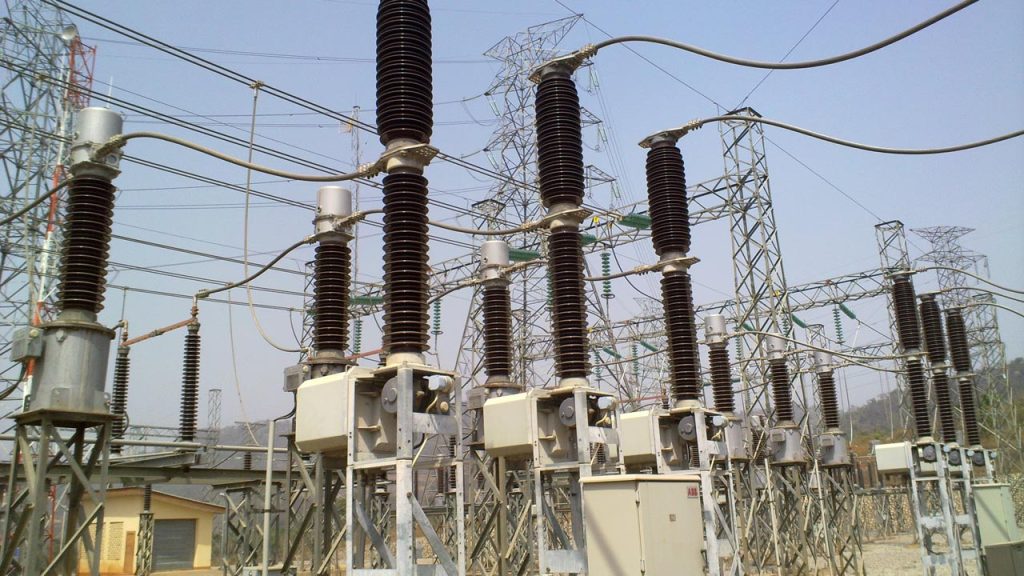
Vandalism contributes to poor access to electricity and results in loss of revenues in the sector. The Transmission Company of Nigeria said that Tower 70 along its 330KV Gwagwalada-Katampe transmission line was freshly vandalised recently, leading to the loss of bulk power supply and volume of power into Abuja by 250 megawatts. It caused power to trip at the Gwagwalada transmission station and sabotaged trial reclosure by TCN operators. The TCN is now patrolling the area. This is reactive. A similar incident occurred in the Gwarimpa-Katampe area in December. There should be constant patrols of critical national assets to check vandalism in the country.
Without a doubt,Nigeria’s energy output is woeful. Although the Federal Government recently boasted of generating 8,000MW, supply to the end users by the distribution companies straddle between 4,500MW and 5,000MW. Meanwhile, its continental peers, Egypt, and South Africa, generated 58,818MW and 58,095MW in 2023.
Among other issues, the DisCos have not metered over 50 per cent of their customers more than 10 years after privatisation. Despite privatisation, the government has intervened repeatedly in the energy sector to the tune of N7 trillion between 2015 and 2023. Consumers, including ministries, departments and agencies are owing billions of naira in electricity bills. The sole national grid collapsed again on February 4; it suffered the same fate thrice in 2023.
Yet, electricity is crucial to socio-economic development. The Manufacturers Association of Nigeria stated that its member-companies spent 40 per cent of their cost to generate alternative energy in 2022. In 2023, the World Bank stated that the economy lost $29 billion annually to poor electricity.
Unfortunately, vandalism of power assets has become unrelenting in Nigeria. Reports stated that vandals destroyed two transmission towers, Tower T372 and T373 along Kaisata village, which supplies electricity to parts of the North-East, thereby adversely disrupting power supply in Borno and Yobe states.