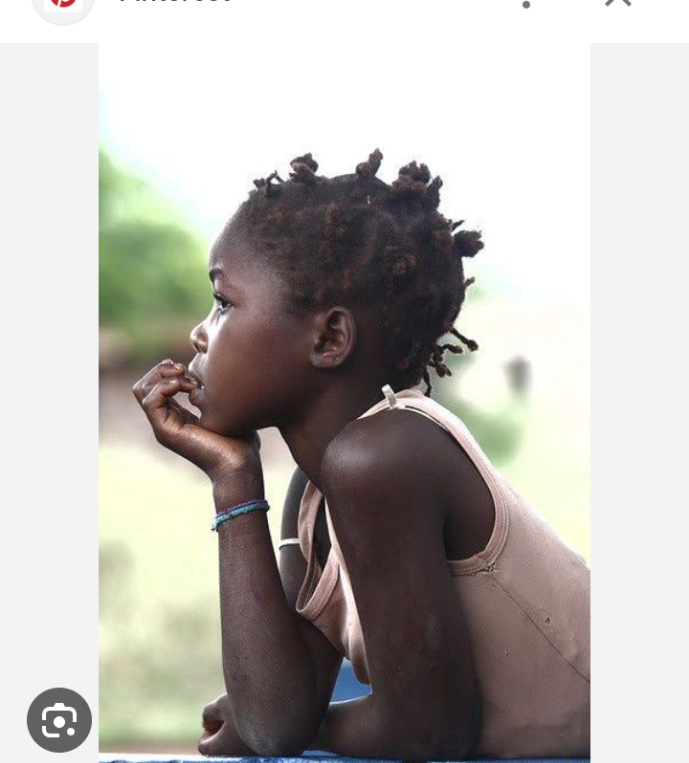
Addressing gender inequality in Nigeria requires a multi-faceted approach. Some key changes include promoting equal access to education and healthcare, enforcing laws that protect women’s rights, empowering women economically, challenging harmful cultural norms and stereotypes, and promoting gender-balanced representation in leadership positions. It’s a collective effort involving government, civil society, and individuals to create a more equitablesociety for all.
Nigeria is a complex and ongoing process. While progress has been made, there is still work to be done. It requires a collective effort from government, civil society, and individuals to challenge and change deep-rooted societal norms and practices. With continued commitment, awareness, and action, it is possible to make significant strides towards gender equality in Nigeria.
The hope of the girl child in Nigeria lies in creating a society that values and invests in their education, health, and empowerment. By ensuring equal opportunities, protecting their rights, and challenging gender stereotypes, we can empower girls to reach their full potential and contribute to the development of Nigeria. With the right support and opportunities, the girl child in Nigeria can have a bright and promising future.