Fresh political realignments may be underway as prominent figures within the African Democratic Congress consider defecting to the National Democratic Congress ahead of the 2027 general elections.
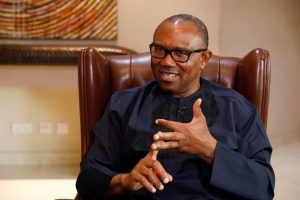
At the centre of the unfolding development is Peter Obi, the Labour Party’s 2023 presidential candidate, who is reportedly consulting widely with stakeholders over a possible move.
Sources familiar with the situation say growing dissatisfaction with the ADC’s internal structure and lingering legal uncertainties have triggered the reconsideration. The concerns intensified following a recent Supreme Court ruling that, while overturning the removal of David Mark and Rauf Aregbesola as National Chairman and Secretary, failed to resolve the party’s core leadership dispute, instead returning the matter to the Federal High Court.
Insiders warn that the unresolved case could destabilise the party at a critical time, raising fears about its readiness for the next election cycle.
A source close to Obi disclosed that internal arrangements within the ADC appear skewed in favour of a particular aspirant, alongside concerns over the party’s reluctance to zone its presidential ticket to the South.
“If the structure is not balanced, it undermines the credibility of any primary process,” the source said, adding that ongoing litigations have further weakened confidence in the platform.
According to multiple sources, discussions have already taken place with the National Democratic Congress, which is reportedly open to offering Obi its presidential ticket for 2027. A formal decision is expected within days, with indications that
his supporters could move with him.While declining to confirm the development, the National Coordinator of the Obidient Movement, Yunusa Tanko, reiterated that Obi remains committed to contesting the 2027 presidential election.
Similarly, the NDC acknowledged ongoing engagements. Its Deputy Publicity Secretary confirmed that talks involving Obi and Rabiu Musa Kwankwaso have been held with the party’s National Leader, Seriake Dickson.
He described the possibility of a defection or alliance as credible, noting that both leaders are welcome and could play significant roles within the party.
The uncertainty has also sparked broader concerns within the ADC, with several party leaders reportedly exploring alternative platforms. Some insiders described the Supreme Court ruling as a temporary reprieve that leaves the party vulnerable ahead of the elections.
Meanwhile, a chieftain of the New Nigeria Peoples Party warned that the legal situation facing the ADC could prove damaging, hinting that more high-profile defections may follow.
In a related development, Aishatu Binani, a former governorship candidate in Adamawa State, has officially joined the NDC.
Explaining her decision, Binani cited the party’s commitment to structured governance and the influence of her supporters, who had already begun aligning with the NDC prior to her move.
Welcoming her, Dickson described the NDC as an inclusive platform ready to accommodate new entrants and strengthen its political base nationwide.
As political calculations intensify, observers say the coming days could prove decisive in shaping alliances and party strengths ahead of the 2027 race.