By Omigie Etinosa Elvis
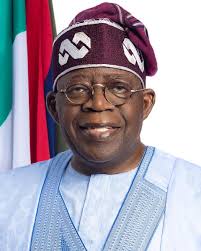
President Bola Ahmed Tinubu assumed office with the promise of renewal and transformation, a mandate encapsulated in his “Renew Hope” agenda. Yet, as Nigeria grapples with soaring living costs, the removal of fuel subsidies, and mounting socio-economic pressures, a critical question arises: should he seek reelection in 2027? History suggests that sometimes, the most enduring legacies are forged not by clinging to power, but by stepping aside at the right moment. Tinubu has a unique opportunity to shape how posterity remembers him—not merely as a president who governed, but as a statesman who prioritized the long-term health of the nation over personal ambition.
Drawing a parallel with Lyndon Baines Johnson, one sees a cautionary tale. Johnson, confronted with deep social unrest, human rights activism, and the Vietnam War, chose not to seek reelection after pursuing his ambitious “Great Society” programs. His decision preserved his historical stature and allowed the nation to focus on institutional progress rather than personality-driven politics. Similarly, Tinubu, despite implementing important reforms in governance, revenue management, and anti-corruption, faces the risk of history measuring him by the immediate hardships his policies have inflicted on Nigerians, particularly the working class.
The removal of fuel subsidies, while economically defensible in theory, has intensified hardship for
ordinary Nigerians. Inflation, transport costs, and general cost of living have surged, leading to widespread discontent. While the Tinubu administration deserves credit for reforms aimed at long-term fiscal stability, the optics of seeking another term amidst such adversity could overshadow these accomplishments. A statesmanlike decision to step aside would demonstrate humility, foresight, and an understanding that leadership is ultimately about service, not tenure.Moreover, stepping down would set a precedent for political maturity in Nigeria, signaling that leadership is transient and that the nation’s well-being transcends individual ambition. By mentoring emerging leaders, promoting meritocracy, and institutionalizing reform, Tinubu could ensure continuity of his policies without the divisiveness that often accompanies personal reelection campaigns. History rewards leaders who prioritize national interest over personal legacy—a principle that, if observed, could elevate Tinubu above the fray of partisan politics and secure his place in Nigeria’s annals as a visionary statesman.
In conclusion, while the Tinubu administration has achieved notable successes, prudence and legacy demand restraint. Refraining from seeking reelection in 2027 would demonstrate the maturity, foresight, and national-mindedness that Nigeria desperately needs. Like Johnson before him, Tinubu has the chance to be remembered not for ambition, but for wisdom; not for seeking power, but for consolidating progress. True statesmanship lies in knowing when to step forward and, equally, when to step aside.