Another election, another absence.
Ex-Governor Babatunde Fashola failed to show up at his polling unit in Surulere during Saturday’s LG elections — just like in 2021. Out of 1,355 registered voters, only 213 showed up.
Do political leaders skipping the vote
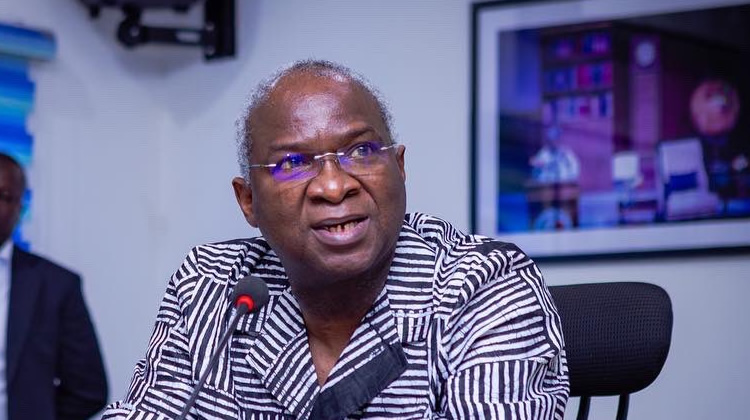
Fashoda, who was expected to vote at Polling Unit 002 located at State Junior Grammar School (Special), Itolo Street, Eric Moore in Surulere, did not show up throughout the voting period, which officially commenced at 8:19 a.m. and ended at 3:00 p.m.
He was also expected to arrive alongside his wife, Mrs Abimbola Fashola. However, neither of them appeared at the venue, marking a second consecutive absence from local council polls, following a similar no-show during the 2021 local government elections.
Journalists and observers, anticipating his arrival, waited for several hours at the polling unit. While many left afterprolonged waiting, a few remained till the close of voting, hopeful for a late appearance that never came.
The News Agency of Nigeria (NAN) reported that the electoral process at the polling unit began promptly after officials from the Independent National Electoral Commission (INEC) arrived and set up materials. Despite an encouraging start, the turnout was notably low.
Out of the 1,355 registered voters at the polling unit, only 213 persons turned out to vote for their preferred Chairmanship and Councillorship candidates.
The absence of high-profile figures such as Fashola, a respected political stalwart in the state, has raised concerns among stakeholders about civic engagement and public confidence in local governance processes.
While neither Fashola nor his media aides provided any reason for his absence, political analysts are already speculating on the possible implications of his continued disengagement from grassroots-level electoral participation.
As Lagos awaits the final results of the elections, attention remains focused not just on the outcomes but on the broader narrative of voter apathy and political elite absenteeism that continues to define local elections in Nigeria’s commercial capital.