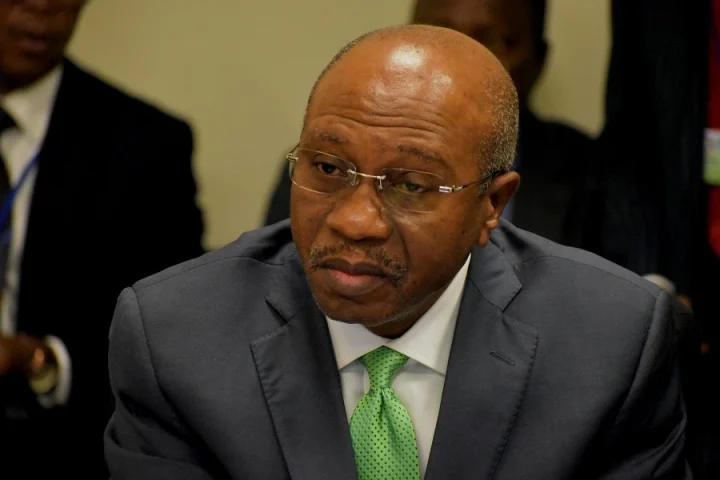

The Federal Government has announced plans to sell 753 housing units, previously linked to former Central Bank of Nigeria Governor, Godwin Emefiele, to low and middle-income Nigerians.
This estate, described by the Economic and Financial Crimes Commission (EFCC) as the largest single asset recovery in its 21-year history, spans over 150,000 square metres and includes duplexes and other residential units. It was forfeited to the government following a final court order on December 2, 2024, by Justice Jude Onwuegbuzie of the Federal Capital Territory High Court.
Emefiele had attempted to reclaim the estate in April 2025, arguing that the EFCC concealed the forfeiture proceedings from him despite ongoing legal interactions. However, the court dismissed his application.
On May 20, 2025, EFCC Chairman Ola Olukoyede officially handed over the estate to the Minister of Housing and Urban Development, Ahmed Dangiwa, as part of President Bola Tinubu’s Renewed Hope Agenda aimed at promoting homeownership among ordinary
Nigerians.Badamasi Haiba, the Ministry’s Director of Press and Public Relations, stated that the estate is still under construction, and the government will conduct structural assessments before finalising the sale process. He assured Nigerians that the sale would prioritize transparency and affordability, offering flexible payment options such as mortgages, instalment plans, and rent-to-own schemes through the ministry’s official portal: renewedhopehomes.fmhud.gov.ng.
Haiba also dismissed concerns that the homes would be allocated to political elites, emphasising that the sales process will be accessible to all Nigerians.
A visit to the site in Abuja’s Lokogoma area revealed that the once-bustling estate has fallen into disrepair, with overgrown bushes and wildlife, including snakes, overtaking the property. Local security guards reported killing several snakes that had wandered into neighbouring compounds, attributing the problem to the abandoned site.
Despite its current state, the estate is set to play a crucial role in addressing Nigeria’s housing deficit once the government’s plans are implemented.