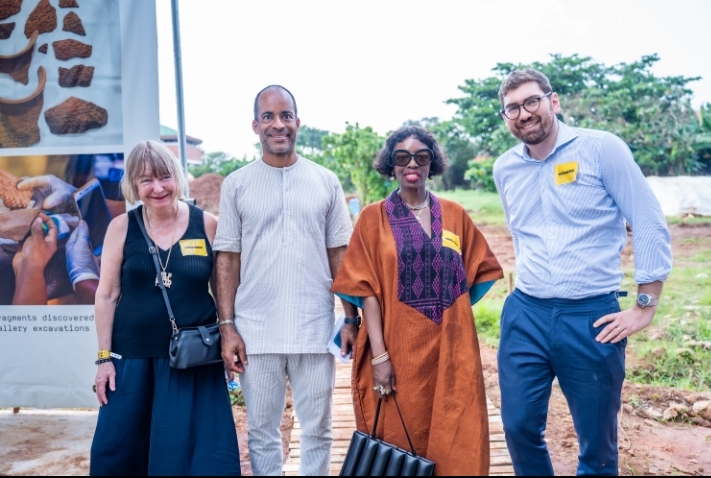
Speaking at the end of a two-day event, Chirikure emphasized MOWAA’s significance, saying, “MOWAA is not an everyday museum, it is an art gallery, a collections repository, a centre for research, and a platform for bringing artists and communities together to co-curate and co-create heritage.”
Chirikure highlighted MOWAA’s potential to train a new generation of African researchers, noting, “The MOWAA Institute will train a new generation of African researchers at home, using best standards and cutting-edge technology on home soil. It will be a first-world institution in Africa.”
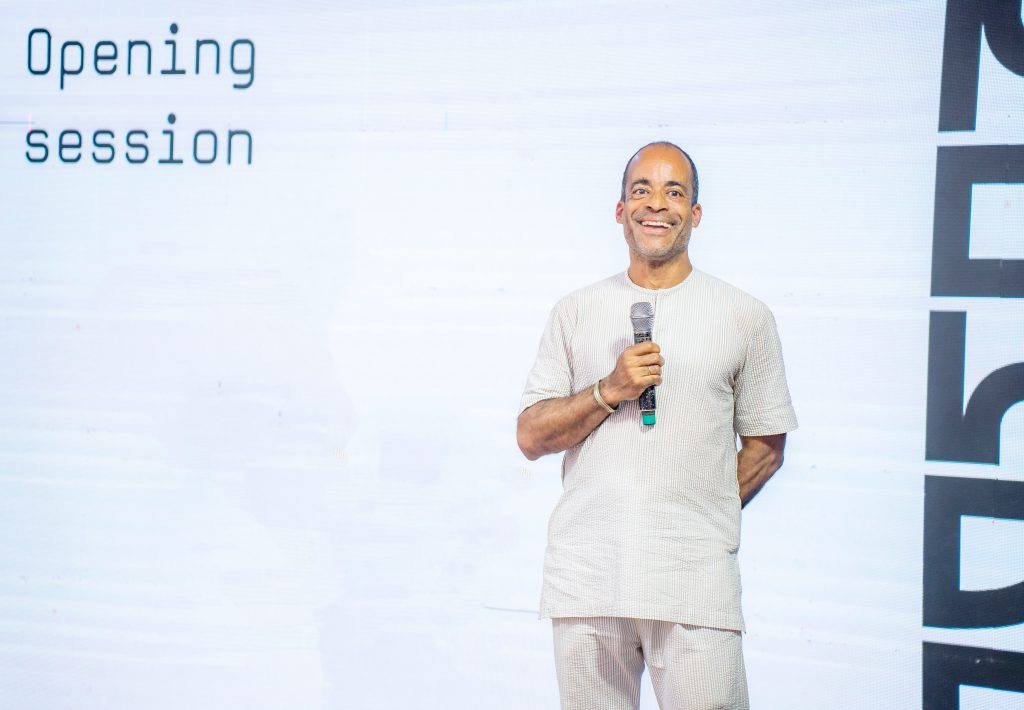
Disu emphasized the importance of developing professionals with marketable skills, stating, “If we truly want to support other museums and existing collections, which we do, we have to get the fundamentals right. The reality is that thereare limited grants for African research and educational institutions. Our focus will be on developing professionals with marketable skills beyond pure research, while expanding African-led scholarship.”
Disu explained MOWAA’s mission, saying, “MOWAA was formed in 2020 as an independent, non-profit organisation dedicated to education, learning, and skills development aimed at the preservation of heritage, the expansion of knowledge, and the celebration of West African arts and culture.”
She highlighted MOWAA’s partnerships and programs, noting, “Through ongoing partnerships, MOWAA offers programs and resources that foster deeper connections between contemporary art and culture and the rich heritage of West Africa, while creating a centre of excellence for African and diaspora artists and scholars.”
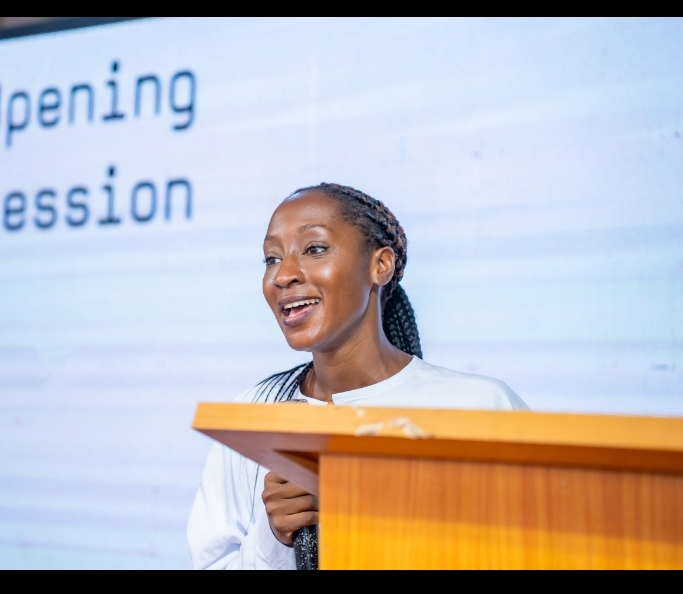
She emphasized the campus’s role in nurturing creatives and heritage professionals, saying, “The MOWAA campus is an ecosystem to nurture, inspire, and showcase creatives and heritage professionals, building connections between ancient artistic traditions and contemporary creative practices. It will be a place to research and understand the past and empower and celebrate the next generation of culture makers.”