Mpox was first identified in 1958 in Denmark, where it was discovered in a group of monkeys. The first human case was reported in 1970 in the Democratic Republic of Congo (DRC). Since then, outbreaks have occurred in various parts of Africa and, more recently, globally.
Mpox is caused by the mpox virus, which is transmitted to humans through:
Contact with infected animals (such as rodents, primates, and marsupials)
Close physical contact with an infected person (through touching, hugging, or sharing utensils)
Contaminated objects (such as bedding, clothing, or towels)
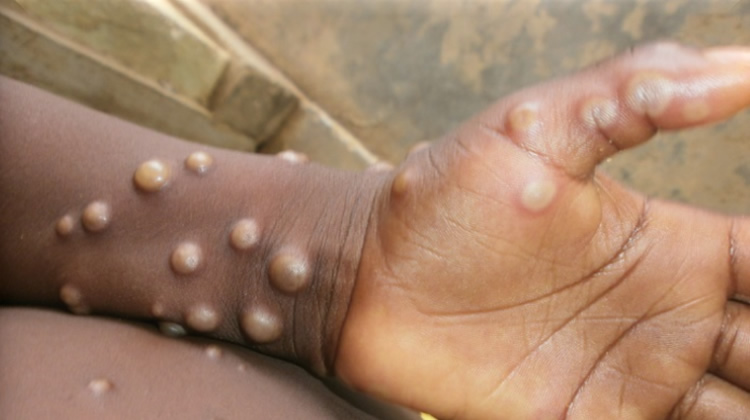
The symptoms of mpox can vary but typically include:
Fever
Headache
Muscle aches
Swollen lymph nodes
Rash or blisters on the skin (often starting on the face, hands, or feet)
Diagnosis is made through:
Physical examination
Laboratory tests (such as PCR or serology)
Medical history
There is no specific treatment for mpox, but symptoms can be managed with:
Rest
Fluid intake
Pain relief medication
Antiviral medication (in severe cases)
Supportive care (such as wound care and hydration)
Prevention measures include:
Avoiding contact with infected animals or people
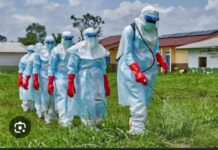
Wearing protective gear (such as gloves and masks)
Practicing good hygiene (such as washing hands regularly)
Avoiding sharing personal items
Getting vaccinated (if recommended by health authorities)
Complications of Mpox
Complications can include:
Secondary bacterial infections
Respiratory problems
Septicemia (blood infection)
Death (in severe cases)
Global Response to Mpox
The World Health Organization (WHO) has declared the current mpox outbreak a Public Health Emergency of International Concern (PHEIC). Global efforts are focused on:
Surveillance and detection
Contact tracing
Vaccination
Public awareness and education
Nigeria, Africa’s most populous country, is grappling with an outbreak of mpox, a viral disease that has spread rapidly across the continent. The outbreak has raised concerns among health experts, who warn of a potential public health crisis if left unchecked.
First Case Reported
The first case of mpox in Nigeria was reported in July 2022, in the southeastern state of Delta. The patient, a 35-year-old man, had traveled tothe Democratic Republic of Congo (DRC), where the outbreak originated.
Rapid Spread
Since the first case was reported, mpox has spread rapidly across Nigeria, with cases reported in over 20 states. The majority of cases have been reported in the southern regions, where the disease is thought to have been introduced through trade and travel.
Symptoms and Complications
Patients infected with mpox in Nigeria have reported symptoms similar to those seen in other parts of Africa, including fever, headache, muscle aches, and a characteristic rash. In severe cases, mpox can lead to complications such as respiratory problems, septicemia, and death.
Response Efforts
The Nigerian government has responded quickly to the outbreak, activating its emergency operations center and deploying teams to affected states. Health workers have been trained to identify and manage cases, and public awareness campaigns have been launched to educate the public on the risks and prevention measures.
Challenges Ahead
Despite the government’s efforts, challenges remain in controlling the outbreak. Nigeria’s healthcare system is overstretched, and many areas lack access to basic medical care. Additionally, the country’s dense population and mobile nature make it difficult to track and contain the spread of the disease.
Regional and Global Implications
The Mpox outbreak in Nigeria has regional and global implications. The country’s proximity to other West African nations makes it a potential hub for further transmission, while its international connections pose a risk of global spread.
The Mpox outbreak in Nigeria is a growing concern that requires immediate attention and action. With prompt response efforts and international support, it is possible to contain the outbreak and prevent further spread. However, the challenges ahead are significant, and sustained efforts are needed to protect public health in Nigeria and beyond.
By understanding mpox, its causes, symptoms, diagnosis, treatment, and prevention measures, we can work together to combat this viral infection and prevent further outbreaks.