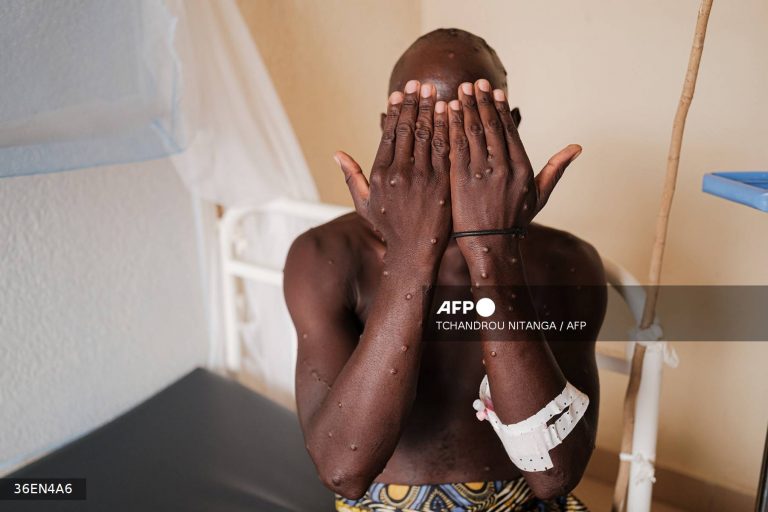
Samuel Nduwimana, an mpox patient in Bujumbura, described his experience as “very sick and scared.” He had lost his appetite, had a fever, and felt a small, painful pimple on his genitals. As his condition worsened, he sought treatment, unsure of what he was suffering from.
Mpox, formerly known as monkeypox, is an infectious disease caused by a virus transmitted to humans by infected animals. It can also be passed between humans through close physical contact. A new, more deadly and transmissible strain has driven the recent surge in cases.
Cases in East Africa have increased, with Burundi confirming 171 cases, Kenya finding its second case, and Uganda reporting four cases. Globally, cases have been reported in Europe and Asia, prompting the World Health Organization to declare an international health emergency.
Burundianauthorities are working to combat the outbreak. Doctor Odette Nsavyimana treats infected patients, describing their condition as “severe, critical” with a high fever. The disease causes “very painful and itchy lesions” that need urgent treatment.
The treatment center provides free treatment and has a capacity for around 50 patients. Cases are increasing, spreading from “hot zones” on the border with the Democratic Republic of Congo (DRC) to almost all over the country.
The DRC has recorded 16,700 cases and over 570 deaths this year. In Burundi, authorities are acting quickly to identify, isolate, and treat patients. They have not reported any deaths, thanks to early detection and treatment.
Nduwimana praised the free treatment he received and urged those worried they might have mpox to seek medical attention immediately. “This epidemic is very serious, it hurts a lot, you’re in too much pain, and you don’t know what to do.”
The mpox outbreak in Burundi highlights the need for swift action to combat infectious diseases. With the right treatment and care, patients can recover, but early detection is crucial.